AGP Executive Report
Last update: 2 days agoOver the past 12 hours, coverage has centered on the fast-moving diplomacy around the U.S.–Iran conflict and the Strait of Hormuz, alongside fresh Israel–Lebanon developments. Multiple reports describe the U.S. waiting for Iran’s response to a new proposal aimed at ending the war and reopening Hormuz, with Iran saying it is reviewing the offer and will communicate its position via Pakistan. At the same time, Trump’s messaging remains conditional and coercive—warning that “the bombing starts” if no agreement is reached—while markets are portrayed as reacting positively to deal hopes. Separate reporting also highlights operational friction around U.S. efforts to escort shipping through Hormuz (“Project Freedom”), including claims that the U.S. paused or adjusted the operation amid allied pushback.
A key thread in the same window is Iran’s attempt to formalize control over Hormuz. One report says Iran has established a new agency to approve transit and collect duties from vessels, raising concerns about undermining freedom of navigation; another describes new “vessel information declaration” rules tied to a newly created authority. Complementing this, shipping-focused coverage suggests the disruption environment is shifting rather than simply worsening—project44 data cited in the material says diversion volumes have fallen sharply from late-April levels as carriers reorganize, while port congestion and dwell times remain elevated at major hubs.
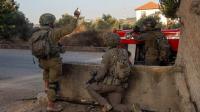
Israel’s actions in Lebanon also feature prominently in the most recent coverage. The material includes reporting that Israel struck Beirut’s southern suburbs to target a Hezbollah Radwan Force commander, described as breaking a month-long ceasefire lull. Related items also include renewed attention to incidents involving religious symbols and diplomatic reactions (e.g., Poland expressing concern over an Israeli soldier’s “disrespect” toward a Virgin Mary statue), underscoring how the Lebanon front is generating both military and political fallout even as ceasefire talks are discussed.
Beyond the immediate conflict cycle, the last 12 hours include additional context on Iran’s internal leadership narrative and external diplomacy. Iran’s president says he met directly with Supreme Leader Mojtaba Khamenei, framing it as an effort to counter claims of divided leadership. Meanwhile, China’s foreign minister is reported calling for Hormuz to reopen “as soon as possible” and emphasizing negotiations and de-escalation ahead of a Trump–Xi summit, indicating that major powers are positioning themselves around the same Hormuz/diplomacy agenda.
Older material from the 12–72 hours and 3–7 days range largely reinforces continuity: repeated references to a “one-page” or short-term memorandum approach, continued uncertainty about whether nuclear-related demands can be reconciled, and ongoing Hormuz disruption dynamics (including legal and shipping concerns). It also adds background on parallel Lebanon ceasefire fragility and broader political/media disputes, but the most recent evidence is strongest on the immediate question of whether Iran will respond to the latest U.S. proposal and how Hormuz control measures are evolving in parallel.
Note: AI summary from news headlines; neutral sources weighted more to help reduce bias in the result.